Saturday, October 8, 2016

Picture Book Review #2

Image result for the little red hen

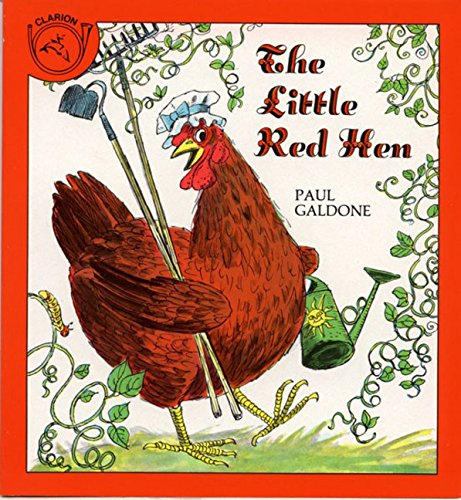
For my second picture book review I chose The Little Red Hen by Paul Galdone.

Publisher: Clarion (an imprint of Houghton Mifflin Harcourt Publishing Company) 
Copyright date: 1973
Pages: 40
Genre: Folk Tale
Grade Level: K-3

Summary: A Hen, Cat, Dog, and Mouse all live together in a cozy little house. The Hen finds some wheat and plants it, waters it, cuts it, grinds it and bakes a cake with it all by herself because no one will help her. Each time she goes to work she asks if anyone will help her, and every time the Cat, Dog, and Mouse, all refuse to help. In the end, the Hen reaps her benefits while the other three see the value of hard work and learn the consequences of laziness. 

This book can be used in young grades to teach children the value of hard work. It can be read at the beginning of the year when you are teaching your class procedures and expectations. It is a good tool to help reinforce and teach the value of hard work to your students. 

I gave this book a rating of 3***. My ratings can be read in the chart below. 


***
**
*
-
Comments
Plot
Plot is well developed with a sequence of events. The events are in good logical order. There is a clear conflict and resolution.
Plot contains a sequence of events. The events are in order but the conflict is not clear or does not contain a clear resolution.
There are events but they are not in good chronological order. The climax and resolution are lacking or not present.
Not addressed
*** Plot is well developed with a sequence of events that are in good logical order. There is a conflict and resolution.
Characters
Characters are well developed with clear roles and contribute to the story. Reader is able to personally connect with the character(s).
Characters have clear roles within the story. Reader is not able to connect with the character(s).
Character(s) are present but do not have clear roles. Reader is not able to connect with character(s).
No characters developed
*** Characters are well developed and introduced in the beginning of the story. Each character has a role in the story and contributes to the quality of the story.  
Style and Language
Book contains precise vocabulary, figurative language, and or dialogue. When dialogue is used it is effective and not distracting.
Book contains precise vocabulary and/or figurative language. When dialogue is used it is distracting.
Book contains very little precise vocabulary and no figurative language or dialogue.
Book contains no precise vocabulary or figurative language. No dialogue is used.
*** This book makes good use of language and vocabulary. Dialogue that is used reinforces the theme of the story and helps get the point across.
Theme
There is a clear theme and it is easily identifiable by the story.
There is a theme but it is a little more difficult to identify.
The theme is almost impossible to identify.
There is no theme.
*** There is a clear theme, hard work, and it is easily identifiable by the story.  


Picture Book Review #1

Image result for the rainbow fish


For my first picture book review I chose The Rainbow Fish by Marcus Pfister. 

Publisher: North-South Books
Copyright date: 1992
Pages: 24
Genre: Children's book
Grade Level: Kindergarten- 2nd grade
Awards: Christopher Award (1993), American Booksellers Book of The Year Award for Children (1995), North Carolina Children's Book Award (1995)  

Summary: A beautiful fish with shiny scales, known as Rainbow Fish, refuses to play with the other fish because he is too proud. His pride and selfishness push the other fish away and Rainbow Fish finds himself very lonely. In this story, Rainbow Fish comes to learn the value of sharing.

This book is a great book to do an art lesson with. You can teach students how to draw a simple fish and have them color it using shading techniques. It is also fun to add a shiny scale using tin foil!

I gave this book a rating of 3***. My ratings can be read in the chart below. 


***
**
*
-
Comments
Plot
Plot is well developed with a sequence of events. The events are in good logical order. There is a clear conflict and resolution.
Plot contains a sequence of events. The events are in order but the conflict is not clear or does not contain a clear resolution.
There are events but they are not in good chronological order. The climax and resolution are lacking or not present.
Not addressed
*** Plot is well developed leading up to a clear conflict and resolution. Events are in order and help lead book to conflict and resolution.
Characters
Characters are well developed with clear roles and contribute to the story. Reader is able to personally connect with the character(s).
Characters have clear roles within the story. Reader is not able to connect with the character(s).
Character(s) are present but do not have clear roles. Reader is not able to connect with character(s).
No characters developed
*** Main character is well developed and all characters contribute to the story. Reader can personally connect with the main character, especially children.
Style and Language
Book contains precise vocabulary, figurative language, and or dialogue. When dialogue is used it is effective and not distracting.
Book contains precise vocabulary and/or figurative language. When dialogue is used it is distracting.
Book contains very little precise vocabulary and no figurative language or dialogue.
Book contains no precise vocabulary or figurative language. No dialogue is used.
*** This book contains good vocabulary, flows smoothly, and when dialogue is used it contributes to the story.
Theme
There is a clear theme and it is easily identifiable by the story.
There is a theme but it is a little more difficult to identify.
The theme is almost impossible to identify.
There is no theme.
*** There is a clear theme, sharing, and the story portrays it well.

Sunday, October 2, 2016

Young Adult Book Review #2

Image result for the count of monte cristo book


For my second young adult book review I chose, The Count of Monte Cristo, written by Alexandre Dumas. 

Publisher: Journal des Debats (French) Chapman and Hall (English version) 
Copyright date: 1844 / Translated version published in 1846
Pages: Unabridged version (1276) Abridged version (640) 
Genre: Historical/adventure novel
Grade Level: 9-12

Summary: Edmond Dantes is a promising young sailor engaged to a beautiful young woman named Mercedes. A few young men become jealous of Dante's perfect life and accuse him of a crime he did not commit. He is wrongfully thrown into solitary confinement at the Chateau d'If, the harshest prison which no one has ever escaped from. Will Edmond spend the rest of his life in the tiny cell? If he does escape what will he do to the people responsible for his imprisonment?

This book can be used in an English class as it is considered a literary classic today. It also contains historical events between 1815-1839. The book takes place in France, Italy and on islands of the Mediteranean during the Bourbon Restoration under the reign of Louis-Philippe. It is just before the Hundred Days, when Napoleon returns to power after his exile. Because of the historical components it could also be used in history class. 

I gave this book a rating of 3***. My ratings can be read in the chart below. 


***
**
*
-
Comments
Plot
Plot is well developed with a sequence of events. The events are in good logical order. There is a clear conflict and resolution.
Plot contains a sequence of events. The events are in order but the conflict is not clear or does not contain a clear resolution.
There are events but they are not in good chronological order. The climax and resolution are lacking or not present.
Not addressed
*** The plot in this book is very detailed and has a clear sequence of events. There is a clear conflict and resolution.
Characters
Characters are well developed with clear roles and contribute to the story. Reader is able to personally connect with the character(s).
Characters have clear roles within the story. Reader is not able to connect with the character(s).
Character(s) are present but do not have clear roles. Reader is not able to connect with character(s).
No characters developed
*** The characters are well developed. The role and purpose of each is clearly identified. Characters are presented in a way to allow the reader to connect with them.  
Style and Language
Book contains precise vocabulary, figurative language, and or dialogue. When dialogue is used it is effective and not distracting.
Book contains precise vocabulary and/or figurative language. When dialogue is used it is distracting.
Book contains very little precise vocabulary and no figurative language or dialogue.
Book contains no precise vocabulary or figurative language. No dialogue is used.
*** This book contains a lot of precise vocabulary and figurative language. Dialogue used contributes to story. It is very well written and considered a classic today.
Theme
There is a clear theme and it is easily identifiable by the story.
There is a theme but it is a little more difficult to identify.
The theme is almost impossible to identify.
There is no theme.
*** There is a clear theme in this book and it is shown throughout the story.  


Young Adult Book Review #1

Image result for the sword of shannara


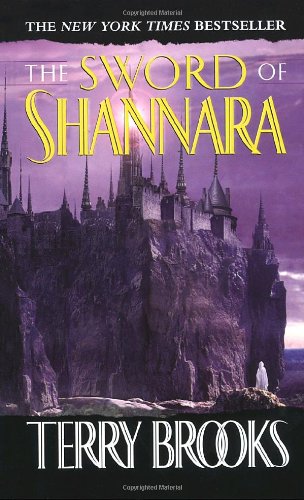
For my first book review I chose The Sword of Shannara, by Terry Brooks. This is the first book in a series of three, called The Shannara Trilogy.

Publisher: Del Rey Books
Copyright date: 1977
Pages: 736
Genre: Epic Fantasy
Grade level: 9-12
Award: Appeared on the New York Times Bestseller List

Summary:  When a tall stranger comes to the Vale, brothers Flick and Shea learn that the legend of the Sword of Shannara is not a legend after all, and their lives are changed forever. They embark on a dangerous journey against the Warlock Lord who is plotting to destroy the world. The only thing that can stop him, and the darkness, is the Sword of Shannara, but it must be wielded by a true heir of Shannara. Shea is the last of this bloodline. He must find the sword in time to stop the Warlock Lord but to do that he must also escape the ever lurching Skull Bearer who is tasked to kill him.

This book could be used in a Literature or English class. It is a great book to have young adults read and do a book report or paper on. It includes a lot of precise vocabulary and figurative language. As a teacher, you could have students write down unfamiliar words they come across while reading and those could be added to your vocab words for each week.

I gave this book a rating of 3***. My rating and reasoning for each criteria can be read below.  


***
**
*
-
Comments
Plot
Plot is well developed with a sequence of events. The events are in good logical order. There is a clear conflict and resolution.
Plot contains a sequence of events. The events are in order but the conflict is not clear or does not contain a clear resolution.
There are events but they are not in good chronological order. The climax and resolution are lacking or not present.
Not addressed
*** The plot in this book has a clear sequence of events and they are in good logical order. There is a clear conflict and resolution. The plot is well developed.
Characters
Characters are well developed with clear roles and contribute to the story. Reader is able to personally connect with the character(s).
Characters have clear roles within the story. Reader is not able to connect with the character(s).
Character(s) are present but do not have clear roles. Reader is not able to connect with character(s).
No characters developed
*** All main characters are well developed. The role of each is clearly identified. I was able to connect with one of the main characters.
Style and Language
Book contains precise vocabulary, figurative language, and or dialogue. When dialogue is used it is effective and not distracting.
Book contains precise vocabulary and/or figurative language. When dialogue is used it is distracting.
Book contains very little precise vocabulary and no figurative language or dialogue.
Book contains no precise vocabulary or figurative language. No dialogue is used.
*** This book contains a lot of precise vocabulary and figurative language. When dialogue is used it contributes to the story.
Theme
There is a clear theme and it is easily identifiable by the story.
There is a theme but it is a little more difficult to identify.
The theme is almost impossible to identify.
There is no theme.
*** There is a clear theme in this book, good vs. evil, and it is shown through the story.